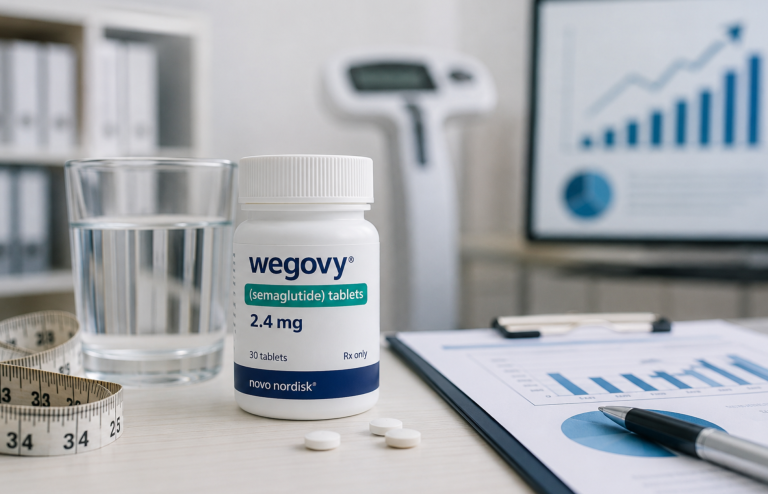
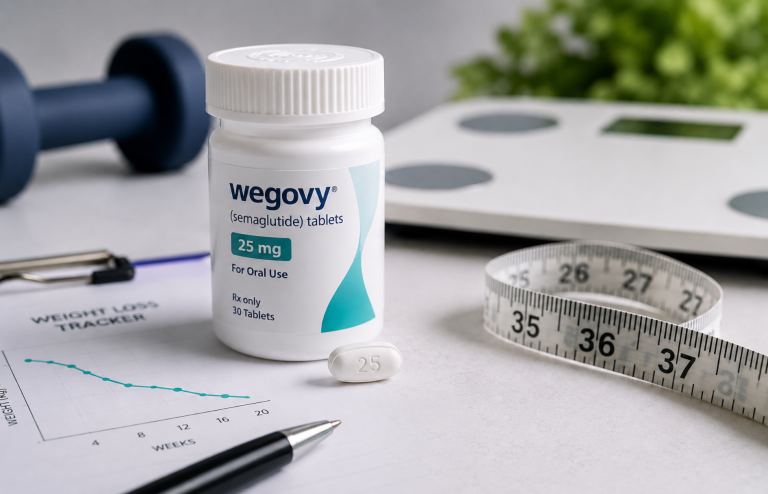
UK Becomes First European Market to Approve Oral Wegovy for Weight Management
The Medicines and Healthcare products Regulatory Agency recently granted approval for the oral formulation of Wegovy. This regulatory decision establishes a new milestone for weight management therapies. Previously, federal agencies in other territories licensed this pill form version of semaglutide. Novo Nordisk confirmed that private prescriptions will become available within weeks.
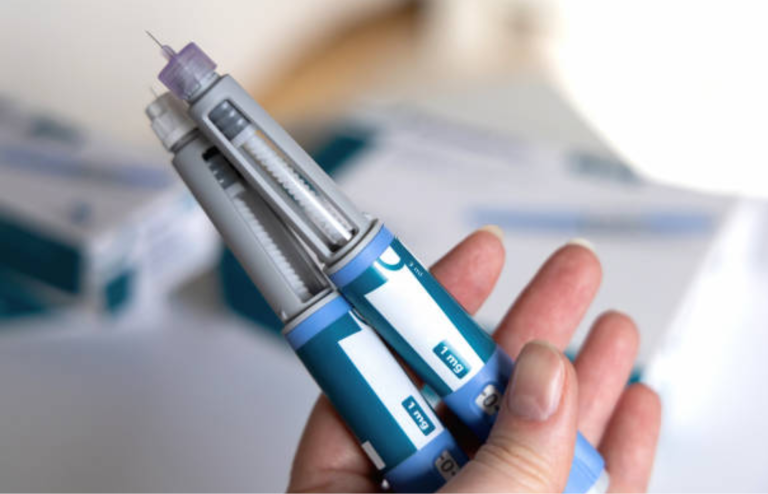
This once daily oral option replaces the existing weekly injectable format. Researchers developed this alternative for adults who manage obesity or weight related comorbidities. Given this, sequential international approvals signal a regulatory momentum toward broader medication access. This development expands therapeutic options for individuals requiring long term weight care.
Clinical trials demonstrate that oral semaglutide offers comparable efficacy to injectable formulations. Medical professionals express optimism regarding improved patient compliance rates with a daily pill. Furthermore, simplified storage requirements eliminate the logistical challenges of cold chain distribution networks. This structural shift optimizes medication delivery within modern healthcare infrastructures.
Insurance providers and healthcare systems are currently reviewing their clinical coverage frameworks. This administrative evaluation process determines how rapidly eligible individuals can obtain the therapy. Meanwhile, manufacturing facilities are scaling production capacity to satisfy the projected rise in global demand. Robust supply lines remain essential to avoid initial patient access deficits.
Semaglutide functions as a receptor agonist to modulate appetite signaling. Notably, transferring this mechanism into a daily pill addresses major barriers to treatment adherence. Many individuals find injectable therapies less acceptable for long term clinical use. Consequently, this oral format will likely expand overall patient access to clinical obesity care.
Public health statistics indicate that millions of adults live with metabolic challenges. However, only a minimal percentage of these individuals historically received pharmacological interventions. This treatment deficit highlights a clear gap in standard therapeutic deployment strategies. Therefore, an accessible oral medication addresses a critical unfulfilled public health requirement.
New survey data provides additional context regarding the scale of GLP-1 adoption. Approximately 1.9 million adults currently utilize these specific treatments. Along with this, households with a medication user reduced annual grocery expenditures significantly. These statistical insights reflect deep behavioral shifts among the purchasing public.
Users in the survey reported a decreased appetite for discretionary food categories. For example, households with a medication user reduced chocolate purchases quite sharply. Furthermore, most respondents reported a lower consumption of savory snacks. These figures reflect pharmacologically mediated changes in reward based eating behavior.
Moreover, household spending patterns indicate a wider reprioritization of consumer wellness budgets. Families increasingly direct resources toward nutritional adjustments and preventative health services. This spending reallocation forces rapid operational adjustments across the fast-moving consumer goods sector. Consequently, corporate balance sheets reflect these evolving purchasing choices.
Agricultural producers and food manufacturing corporations are already adapting their long term product portfolios. Many companies now emphasize portion controlled packaging and higher protein formulations to retain market share. Consequently, this medical development influences corporate strategic planning well beyond the pharmaceutical industry. This broader commercial transformation underlines the societal scale of metabolic therapy adoption.
Analysts note that these medications are fundamentally reshaping how people engage with food. Accordingly, these downstream effects already reach retail grocery sectors and consumer brands. Executive leadership at Novo Nordisk stated that this approval represents a meaningful milestone. The oral format reduces logistical barriers that historically limited injectable therapies.