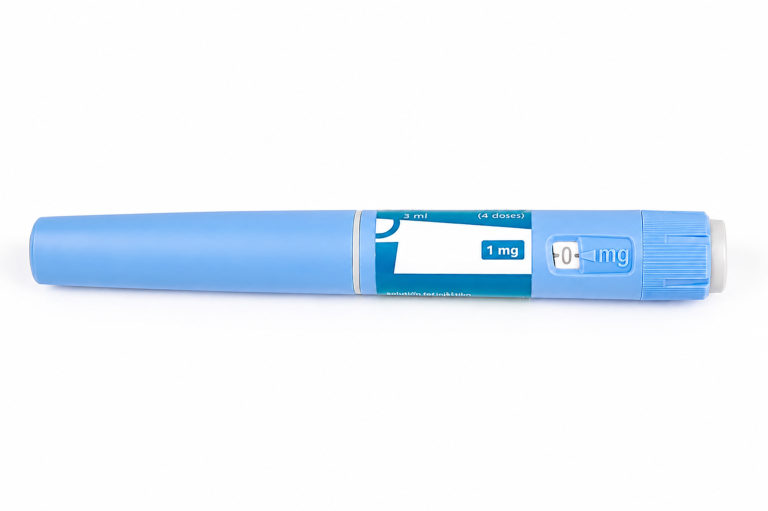
LifeMD Adds Daily GLP-1 Pill Orforglipron After FDA Nod
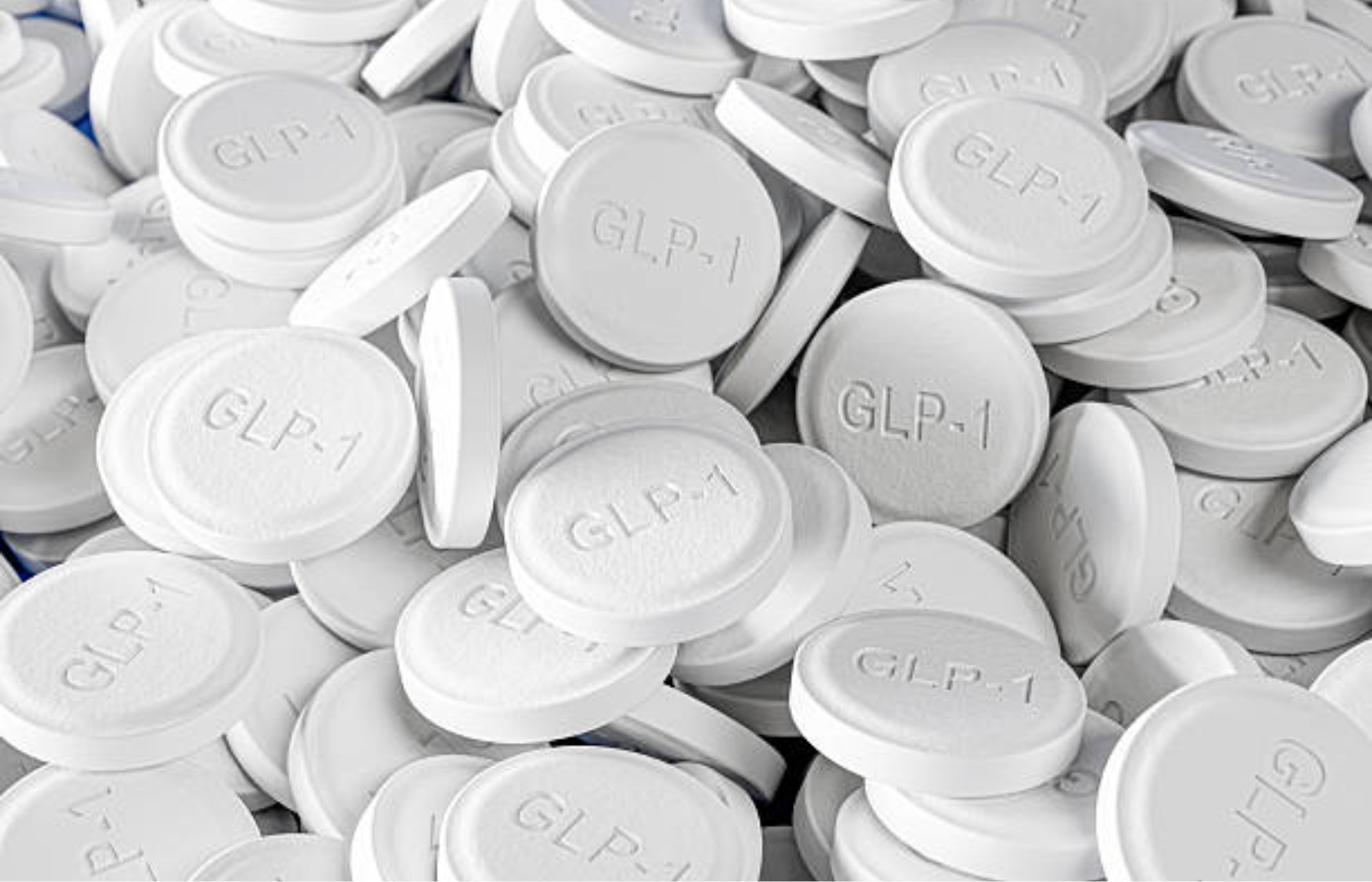
LifeMD recently announced the addition of orforglipron to its comprehensive weight management program. Eli Lilly and Company developed this once-daily oral glucagon-like peptide-1 receptor agonist. The Food and Drug Administration approved the therapy on April 1, 2026. This medication represents the second oral GLP-1 agent for adult weight management.
This therapy serves adults with obesity or overweight conditions. Eligible patients must also present at least one weight-related comorbidity. LifeMD provides the medication through an integration with a direct-to-patient fulfillment channel. This arrangement allows prescriptions to ship directly to patients after virtual clinical consultations.
The monthly self-pay price for the initial dosage starts at $149. Patients with commercial insurance may pay as little as $25 through a savings card. Furthermore, national insurance coverage for older adults should begin in July 2026. This expansion will meaningfully improve access for those managing chronic metabolic conditions.
Orforglipron represents a distinct advancement within the GLP-1 drug class. This non-peptide small molecule allows for simple oral administration. Along with this, the formulation eliminates the need for subcutaneous injections. This structural difference may improve long-term adherence for many patients.
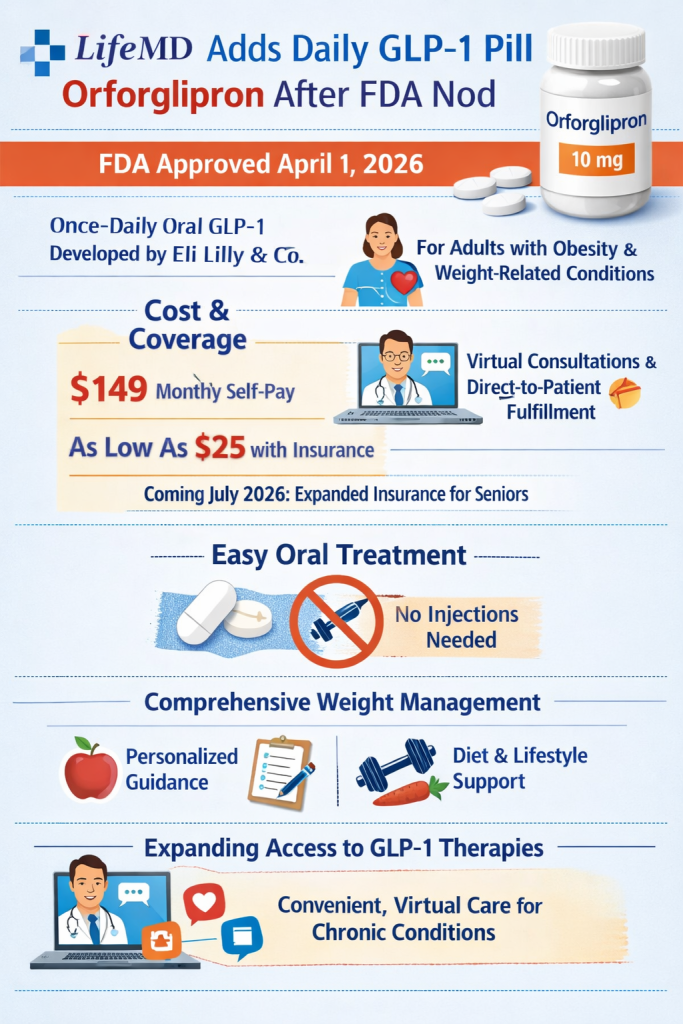
LifeMD integrates the medication into a model featuring virtual consultations and diagnostic testing. The program also provides structured guidance on dietary and lifestyle modifications. Clinical consensus suggests that pharmacotherapy produces optimal outcomes when combined with behavioral changes. Therefore, the program addresses both pharmacological and lifestyle dimensions.
The addition of orforglipron expands the available portfolio of branded GLP-1 therapies. The platform now offers multi-manufacturer access under strict clinician oversight. Moreover, this expansion carries notable implications for large-scale care delivery. Virtual platforms increasingly serve as primary access points for chronic disease management.