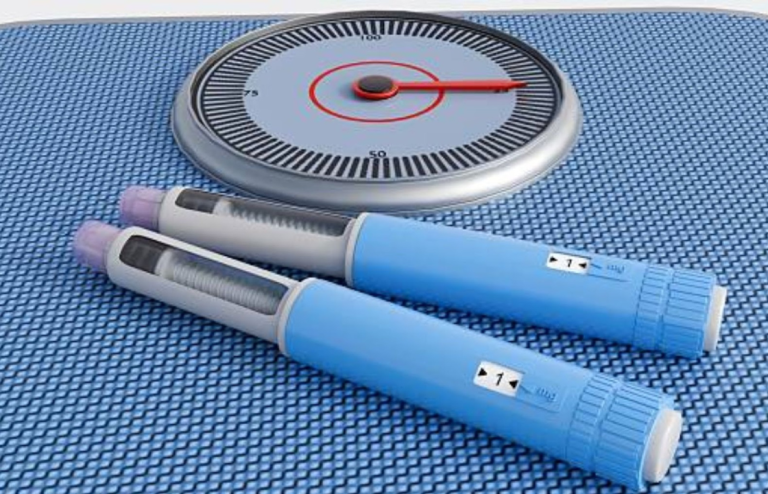
Tirzepatide Leads Weight Loss Efficacy Among Weight Management Medications
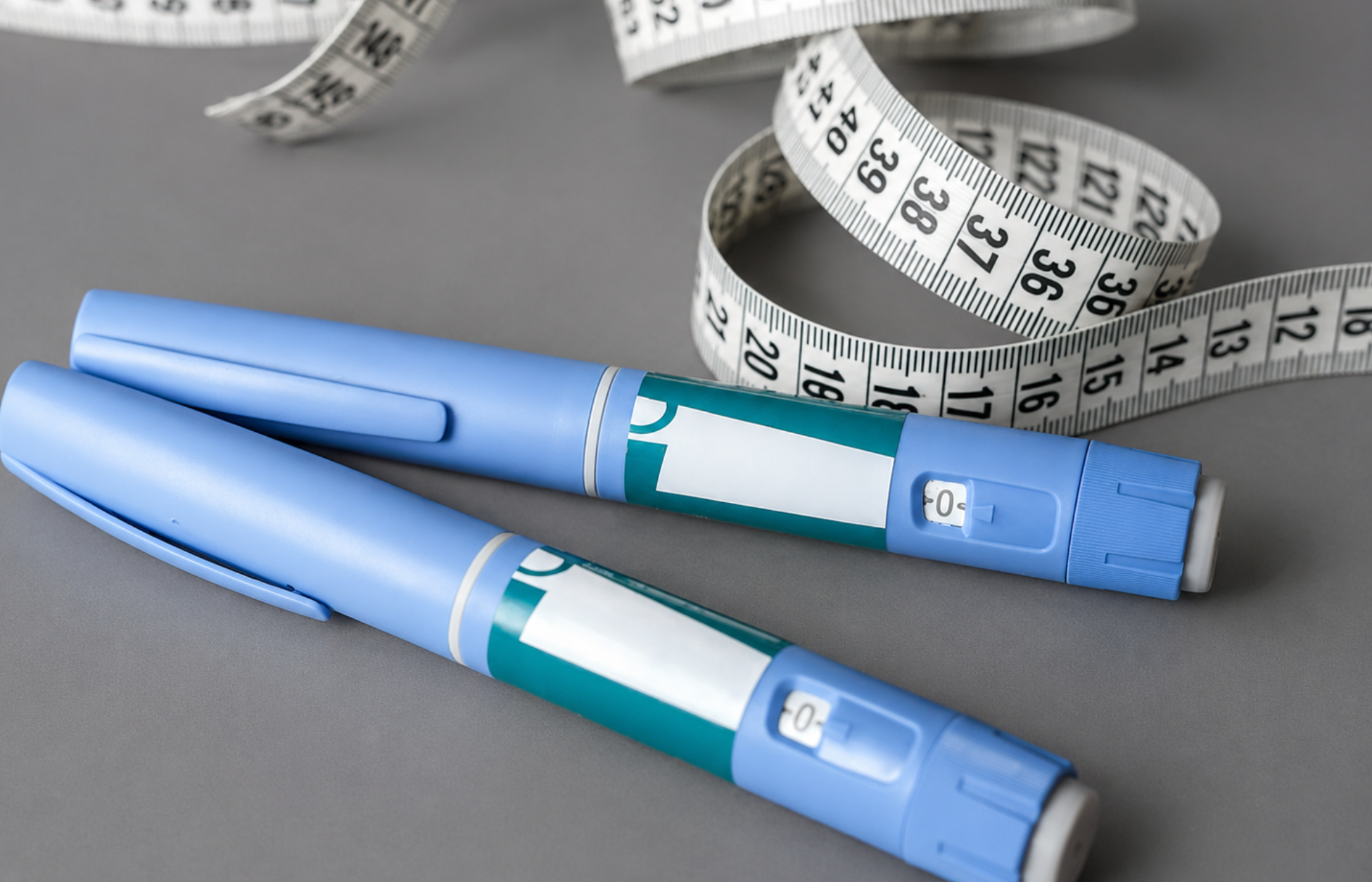
A new meta-analysis shows that tirzepatide leads to much greater weight loss than semaglutide or liraglutide in non-diabetic patients. This review is the first to directly compare the effectiveness of these three approved medications specifically for weight management. Researchers looked at fifteen randomized controlled Phase 3 clinical trials with over fourteen thousand participants.
At the highest dosing levels, tirzepatide resulted in weight loss greater than twenty percent of starting body weight. In comparison, semaglutide achieved about fifteen percent weight loss during the same period. Liraglutide was the least effective among the three, producing only around eight percent weight loss. It’s also worth noting that liraglutide requires daily injections, while the other two medications use a weekly dosing schedule.
Researchers aimed to find a medication that could offer significant weight loss without high rates of nausea and gastrointestinal side effects. Tirzepatide consistently met this goal across the clinical trials reviewed. Its better performance likely comes from a unique mechanism of action that sets it apart pharmacologically.

While semaglutide and liraglutide only target glucagon-like peptide-1 receptors, tirzepatide activates two different receptors. It targets both GLP-1 receptors and glucose-dependent insulinotropic polypeptide receptors. This dual receptor activity may increase the medication’s effects on appetite suppression, digestion, and blood sugar control. This broader mechanism helps explain why it resulted in stronger weight loss compared to medications that target a single receptor.
These receptor agonists act as synthetic forms of a hormone that occurs naturally in the gut. They help lower blood sugar, slow gastric emptying, and extend the feeling of fullness. Together, these effects support both diabetes management and weight loss. Because of this, federal regulators have approved these drugs as prescription-only treatments.
The use of these medications has grown significantly among the general population. Data shows that about one in eight adults currently takes a GLP-1 medication. Additionally, one in five individuals report having used one in the past. Many patients regain lost weight after stopping treatment, although this study did not assess data after discontinuation.
Federal regulators had not yet approved an oral version of semaglutide during these trials. Despite this, the research team conducted a sensitivity analysis on a fifty milligram oral dose. Although this oral option did not match the results of tirzepatide, it came close to the effectiveness of injectable semaglutide. Thus, differences in formulation may affect clinical outcomes regardless of the active ingredient itself.