AstraZeneca Oral GLP-1 Delivers Weight Loss and Blood Sugar Reduction

The SOLSTICE trial evaluated this investigational oral GLP-1 receptor agonist over a 26-week period. The randomized, placebo-controlled study enrolled 406 participants. Researchers presented the findings at the 2026 American Diabetes Association Scientific Sessions. The results were also published in The Lancet.
The study assessed different starting doses, dose-escalation approaches, and maintenance dosing strategies. Nearly 90% of participants receiving elecoglipron achieved an HbA1c level of 7% or lower. By comparison, only about 25% of participants in the placebo group reached this target.
In addition to improving blood sugar control, the treatment demonstrated significant weight-loss benefits. About 72% of participants taking elecoglipron experienced at least a 5% reduction in body weight. After 26 weeks, the average weight loss reached 10.5%.
The safety profile of elecoglipron was consistent with that of other GLP-1 receptor agonists. These findings position the drug as a promising non-injectable treatment option. It also expands the growing category of oral GLP-1 therapies available in the pharmaceutical market.
The oral GLP-1 landscape has evolved rapidly in recent years. Novo Nordisk received approval for the first oral GLP-1 tablet in 2019. The company later secured federal approval in December 2025 for an oral weight-management therapy.
Similarly, Eli Lilly received federal approval in April 2026 for another oral GLP-1 tablet. If elecoglipron succeeds in Phase 3 clinical trials, it could further broaden treatment choices. This would provide patients and clinicians with additional therapeutic options.
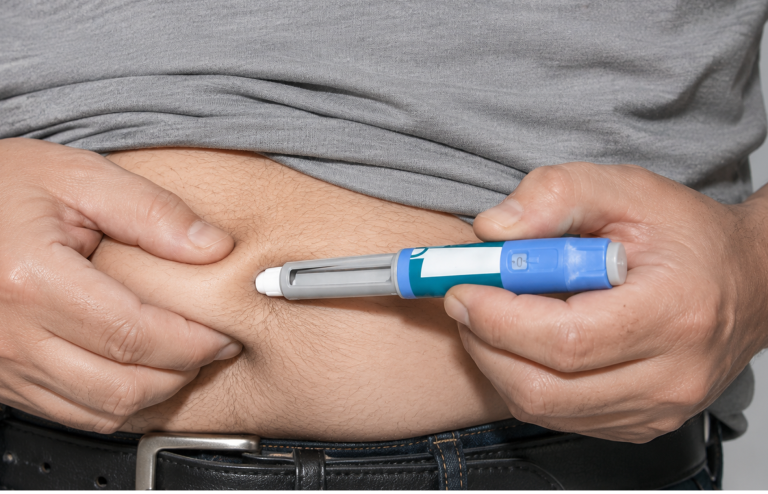
Oral GLP-1 medications help address important barriers associated with injectable treatments. Many patients prefer tablets because they avoid needles and are easier to take. Improved convenience may also support better treatment adherence.
Injectable therapies can present logistical challenges, particularly during travel. They often require refrigeration and careful storage. Oral formulations eliminate many of these practical concerns for patients.
However, injectable GLP-1 medications currently offer certain pharmacokinetic advantages. Because they enter the bloodstream directly, absorption is generally more reliable. Many injectable options also require only once-weekly dosing rather than daily administration.
GLP-1 receptor agonists were originally developed as glucose-lowering therapies for diabetes management. Over time, research revealed their ability to suppress appetite and promote weight loss. These additional benefits significantly expanded their clinical use.
Emerging evidence suggests that GLP-1 therapies may also provide cardiovascular and broader metabolic benefits. As a result, they have become central to the long-term management of metabolic diseases. Their role in treatment continues to grow.
Type 2 diabetes affects millions of people worldwide and is associated with serious long-term health complications. The condition develops when the body cannot use insulin effectively or does not produce enough insulin. This dysfunction leads to persistently elevated blood glucose levels.
Given the substantial global burden of type 2 diabetes, effective treatments have major public health importance. The upcoming Phase 3 trials will play a crucial role in determining elecoglipron’s future place in clinical practice. Their outcomes will help establish whether the drug becomes a standard treatment option.