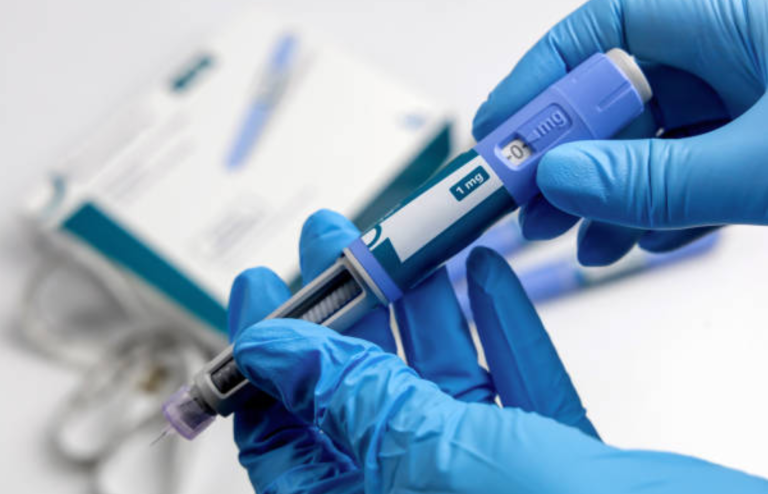
Next-Generation Obesity Drugs

The arrival of next-generation obesity medications has completely changed how we think about metabolic health. For decades, many people felt stuck between minor weight changes from dieting and the major commitment of invasive surgery. Now, these new drugs provide a powerful middle ground that actually addresses the biological roots of weight gain. Instead of just relying on willpower, these treatments work with the body’s natural chemistry to manage hunger and fullness. This shift has turned obesity from a misunderstood struggle into a manageable medical condition.
Furthermore, the rise of these treatments has sparked a huge wave of interest in personalized care. Doctors can now offer solutions that fit a patient’s specific health profile and long-term goals. Along with this, the ease of modern healthcare means more people can access these breakthroughs than ever before. To be precise, these medications gently nudge the metabolism to slow down digestion and quiet the constant noise of food cravings. For this reason, following a professional plan helps the body adapt to the changes safely and effectively. This new era of medicine is not just about the numbers on a scale; it is about giving people the tools they need to live longer, healthier lives.
Mechanisms Underlying Advanced Obesity Pharmacotherapy
Next-generation obesity medications mainly target hormone pathways within the human endocrine system. Glucagon-like peptide-1 receptor agonists change how the brain regulates appetite at the hypothalamic level. These compounds boost satiety signals while lowering the daily urge to eat. Moreover, they slow down digestion and help the body manage blood sugar levels more effectively.
Dual agonist formulations represent a huge step forward from older single pathway drugs. Medications that target both GLP-1 and glucose-dependent insulinotropic polypeptide receptors drive better weight loss. Tirzepatide is a perfect example of this, showing superior metabolic results in major clinical trials. To be precise, the synergistic effect appears to optimize how the body burns energy.
Emerging triple agonist compounds add glucagon receptor activity to the therapeutic mix. Early trials suggest these agents might help patients lose over 20 percent of their body mass. The glucagon part of the drug increases energy use through specific thermogenic pathways. Nevertheless, experts are still evaluating the long-term safety profiles for these new investigational agents.
Clinical Efficacy Demonstrated Across Patient Populations
Semaglutide formulations have set a brand new standard for modern weight management. Clinical trials show that patients often lose between 15 and 20 percent of their weight. These results far exceed anything achieved by earlier generations of weight loss drugs. Furthermore, the weight loss seems to stay off as long as the patient continues the medication.
| Medication Category | Biological Mechanism | Typical Weight Reduction |
| Single Agonist | GLP-1 Receptor focus | 15% to 20% |
| Dual Agonist | GLP-1 and GIP Pathways | 20% to 22% |
| Triple Agonist | GLP-1, GIP, and Glucagon | 20%+ (Projected) |
Tirzepatide trials show even higher efficacy when compared directly against semaglutide. Participants often reach weight reductions of nearly 22 percent at the highest doses. Along with this, the medication leads to major improvements in markers for heart and metabolic health. Hemoglobin A1c levels drop significantly in people with type 2 diabetes who use this therapy.
Heart health studies have confirmed benefits that go far beyond just losing pounds. Semaglutide reduces the risk of major heart attacks and strokes in high-risk patients. This finding proves that obesity drugs are a vital medical tool rather than a cosmetic fix. In light of this, medical guidelines now view these drugs as essential disease-modifying agents.
Safety Considerations and Adverse Effect Profiles
Stomach issues are the most common complaints for people starting these incretin therapies. Nausea, vomiting, and diarrhea happen frequently during the first few weeks or when increasing doses. These symptoms usually fade away as the body gets used to the new medicine. Given this, slow dose titration strategies help keep side effects manageable while the drug works.
Concerns about specific thyroid tumors came up during early studies involving rodents. Because of this, regulatory agencies require a black box warning for certain rare cancer risks. However, data from human studies have not shown an actual increase in thyroid cancer cases. Nevertheless, doctors do not prescribe these drugs to people with a specific family history.
Pancreatitis is a rare but very serious complication that can happen with these agonists. Ongoing safety monitoring continues to watch for this risk as more people start treatment. Clinicians must stay alert for signs like severe stomach pain or high enzyme levels. Additionally, patients who have had pancreatitis before need a very careful risk review.
Economic and Accessibility Dimensions of Treatment
These next-generation obesity drugs come with high costs that make them hard to get. Monthly prices often range from 900 to 1,300 USD if insurance does not help. Many plans still refuse to cover obesity drugs despite the clear medical benefits they provide. Hence, a gap in access remains between those who can afford care and those who cannot.
Prior authorization rules create even more hurdles for patients trying to start their journey. Insurance companies often demand proof of failed diets before they will pay for the drug. These red tape delays can be frustrating for both the patient and the medical team. Consequently, many people stop treatment early because the administrative burden is just too high.
Supply chain issues have led to frequent shortages that keep these drugs off pharmacy shelves. Pharmaceutical companies are building new factories as fast as possible to meet the massive demand. Nevertheless, limited supplies mean that some patients must wait months to start or continue therapy. This situation highlights the struggle between fast innovation and making sure everyone gets care.
Comparative Positioning within Obesity Treatment Algorithms
Changing your lifestyle remains the core foundation of any solid weight management plan. Eating better and moving more will always lead to modest weight loss for most people. However, keeping those habits up for years is incredibly hard without some extra medical help. Therefore, pharmacotherapy is now a standard addition to diet and exercise for many patients.
Surgery still achieves the highest weight loss for people living with severe obesity. Procedures like gastric bypass can lead to a weight reduction of 25 percent or more. These surgeries also change the metabolism in ways that simple dieting simply cannot match. In view of this, surgery remains a top choice for people with extreme health risks.
New medications now fill the gap between simple lifestyle changes and major surgery. These drugs offer great results without the risks or recovery time of an operation. Many patients prefer taking a regular medication over going under the knife for a procedure. Building on this, doctors are starting these medical treatments much earlier than they used to.
Emerging Therapeutic Targets and Pipeline Developments
New drugs currently in testing promise even more progress for metabolic health. Amylin analogs help suppress appetite using a different path than the current popular drugs. Combining several different hormones into one shot might lead to even better weight loss results. Moreover, early data suggest this strategy works well while keeping the actual drug doses lower.
Developing a pill version of these injectable drugs is a major goal for many scientists. Right now, many people do not like the idea of giving themselves a weekly shot. New technology helps these delicate proteins survive the stomach so they can reach the blood. This innovation would make treatment much more convenient and help many more people start.
Compounds that target the central nervous system offer another way to balance energy. Medications that hit specific brain pathways show promise for people with genetic obesity issues. Small-molecule drugs are often easier to make into pills than peptide-based shots. Nevertheless, researchers must carefully check for any mood or safety issues during clinical trials.
Clinical Implementation and Monitoring Considerations
Getting the best results requires careful patient selection and regular check-ups. A doctor should check your body mass index and heart health before writing a prescription. Treatment goals should focus on your specific health needs rather than a random number. Moreover, patients need to have a realistic idea of how long the process will take.
Regular visits help your doctor adjust your dose and manage any pesky side effects. It is important to track your weight and blood work while you move up in dosage. If a drug is not working after a fair trial, it might be time to try a different one. Similarly, you should stop the medication if the side effects are too hard to handle.
We are still learning about the best way to use these drugs over a lifetime. Most evidence shows that the weight comes back if you stop taking the medication. This means that obesity care might look like blood pressure care, where you stay on it. Accordingly, patients and doctors must discuss the long-term costs and commitment before they begin.
Conclusion
Next-generation obesity medications are a true game changer for managing metabolic disease. These agents help people lose significant weight by working with the body’s natural signals. The evidence clearly shows that they also protect the heart and improve overall health. Nevertheless, we still need to fix issues with high costs and long-term drug access.
The future looks bright with new targets and easier delivery methods on the horizon. As these therapies become more common, the way we treat obesity will keep evolving. Clinicians must balance these new tools with a focus on safety and patient needs. Along with this, better access will ensure that everyone can benefit from these advances.
References
Garvey, W. T., Batterham, R. L., Bhatta, M., Buscemi, S., Christensen, L. N., Frias, J. P., Jódar, E., Kandler, K., Rigas, G., Wadden, T. A., & Wharton, S. (2022). Two-year effects of semaglutide in adults with overweight or obesity: The STEP 5 trial. Nature Medicine, 28(10), 2083-2091. https://doi.org/10.1038/s41591-022-02026-4
Jastreboff, A. M., Aronne, L. J., Ahmad, N. N., Wharton, S., Connery, L., Alves, B., Kiyosue, A., Zhang, S., Liu, B., Bunck, M. C., & Stefanski, A. (2022). Tirzepatide once weekly for the treatment of obesity. New England Journal of Medicine, 387(3), 205-216. https://doi.org/10.1056/NEJMoa2206038
Lincoff, A. M., Brown-Frandsen, K., Colhoun, H. M., Deanfield, J., Emerson, S. S., Esbjerg, S., Hardt-Lindberg, S., Hovingh, G. K., Kahn, S. E., Kushner, R. F., Lingvay, I., Oral, T. K., Michelsen, M. M., Plutzky, J., Saevereid, H. A., Tornøe, C. W., & Ryan, D. H. (2023). Semaglutide and cardiovascular outcomes in obesity without diabetes. New England Journal of Medicine, 389(24), 2221-2232. https://doi.org/10.1056/NEJMoa2307563