GLP-1 Pills for Menopause: Clinical Evidence and Therapeutic Potential

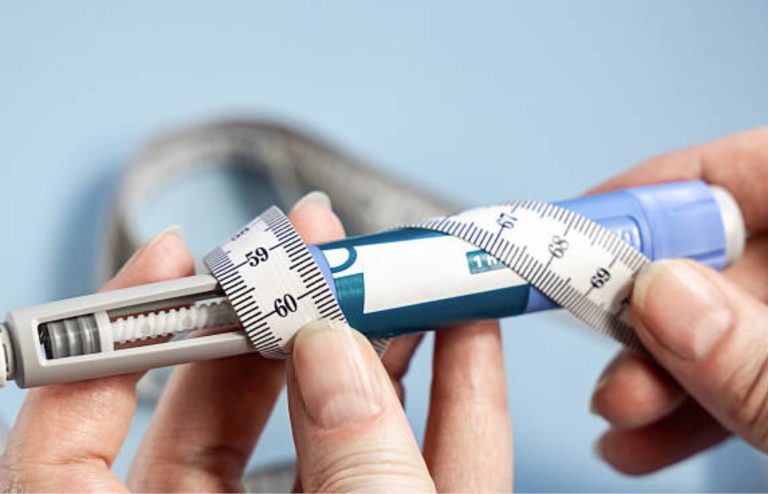
Navigating menopause is a major life transition that often feels like losing control of your own body. For many, the drop in estrogen brings more than just hot flashes; it triggers metabolic shifts that make weight gain feel inevitable. While weekly injections used to be the only option for GLP-1 support, new pill versions offer a much simpler path. These medications help bridge the gap between your changing hormones and your long-term health goals. Understanding how these tools work is the first step toward feeling like yourself again.
The good news is that clinical research shows these pills are a game-changer for postmenopausal wellness. To be precise, they do not just address the scale; they protect your heart and stabilize your energy. Nevertheless, these pills are not a “magic bullet” and require a mindful approach to work at best. This guide breaks down the science and the strategy behind using oral GLP-1s during this new chapter. In view of this, you can move forward with a clear plan for your vibrant future.
Metabolic changes during menopause
The Internal Shift
Think of estrogen as the expert manager of your body’s energy and fuel systems. When its levels drop, your cells suddenly become much less efficient at processing sugar and insulin. To be precise, your glucose disposal slows down, which can lead to higher blood sugar even if your diet is perfect. Consequently, many women find themselves facing a higher risk of type 2 diabetes during this time.
Why the “Middle” Changes
During menopause, fat often decides to relocate from your hips to your visceral compartment, deep around your organs. This specific type of fat is more than just a nuisance; it creates inflammation that makes insulin resistance even worse. Along with this, your resting metabolic rate typically takes a 10 percent dip. Thus, you might feel like you are working twice as hard for half the results.
Quieting the Cravings
Hormonal changes also mess with the delicate circuitry in your brain that handles hunger and fullness. Without estrogen’s steadying hand, “food noise” can get louder, and satiety signals from leptin often become much weaker. Meanwhile, the hunger hormone ghrelin can stay high, leaving you feeling unsatisfied after meals. Therefore, managing weight becomes a biological battle that requires more than just willpower.
GLP-1 receptor agonist mechanisms
Your New Metabolic Coach
Beyond just sugar, this GLP-1 pill acts like a supportive coach that mimics the hormones your body uses to manage digestion. It tells your pancreas to release insulin only when your blood sugar actually starts to climb. Along with this, it stops your liver from dumping unnecessary sugar into your system. Consequently, you get a stable, predictable foundation for your daily energy.
Calming the Brain and Gut
Medications work directly with your brain to dial down intense food cravings. The pill helps you feel satisfied with smaller portions by slowing down how fast your stomach empties. Furthermore, this prolonged sense of fullness helps break the cycle of constant snacking and hunger. As a result, clinical trials show significant weight loss that helps reset your metabolic baseline.
Oral GLP-1 formulation development
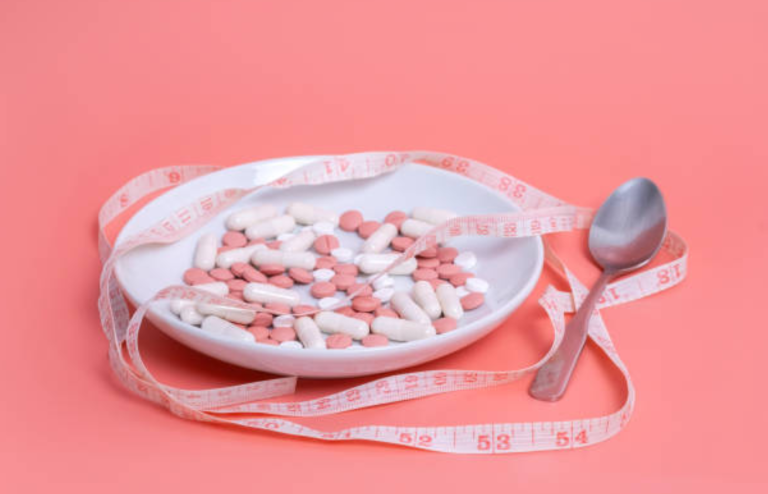
Oral GLP-1 therapies were developed to overcome the challenges of delivering peptide-based medicines through the digestive system. Advances in formulation science now allow these compounds to remain stable and be absorbed effectively when taken by mouth.
No Need for Needles
For a long time, the thought of weekly injections kept many people from seeking this kind of metabolic support. The breakthrough of the pill version changed the conversation by making the treatment fit seamlessly into a morning routine. The biggest challenge for scientists was protecting the medicine from the acidic environment of the stomach. To be precise, they developed a clever delivery system that ensures the peptide is absorbed safely.
The Morning Routine
Semaglutide is the leading oral option, and it is very specific about how it needs to be taken. You must take it the moment you wake up with just a tiny sip of plain water. Notably, the medicine needs a “clean slate” in your stomach to be absorbed into your bloodstream. Furthermore, waiting 30 minutes before your first coffee or meal is the key to its success.
Clinical evidence in postmenopausal populations
Targeting the Right Fat
Clinical trials show that these pills are especially effective at targeting the visceral fat that accumulates during menopause. By reducing this specific fat, the medication helps lower the inflammation that drives heart disease risk. Along with this, researchers have found that the benefits to insulin sensitivity happen almost immediately. In view of this, you are improving your internal health even before the scale moves.
Long-Term Heart Health
Since heart risk naturally rises after menopause, the protective effects of GLP-1s are incredibly valuable. These agents help improve the health of your blood vessels and can even support better blood pressure. Moreover, early data suggest that these medications do not negatively impact your bone density. Consequently, they offer a balanced way to manage weight without compromising your skeletal strength.
Safety and Implementation
Listening to Your Gut
Like any powerful tool, these pills can cause some initial side effects as your body adapts. Nausea is the most frequent issue, but it usually fades as you settle into your maintenance dose. Along with this, your doctor will likely use a “start low, go slow” approach to minimize discomfort. Therefore, patience during the first few weeks is the best way to ensure long-term success.
Finding Your Balance
Starting this therapy requires a partnership between you and your healthcare team to monitor your progress. It is important to report any persistent stomach pain or unusual symptoms right away. Furthermore, remember that the medication works best when paired with a protein-rich diet and steady activity. In light of this, you are not just taking a pill; you are building a new lifestyle.
Conclusion
Embracing oral GLP-1 therapy during menopause is a proactive way to protect your health for the decades ahead. There is no reason to struggle against biological shifts when modern science offers a way to level the playing field. By understanding how the medicine works and sticking to your routine, you can regain your energy and confidence. Your journey to a vibrant, healthy “second act” is just beginning.
References
Hurtado, M. D., Tama, E., Fansa, S., Ghusn, W., Anazco, D., Acosta, A., Faubion, S. S., & Shufelt, C. L. (2024). Weight loss response to semaglutide in postmenopausal women with and without hormone therapy use. Menopause, 31(4), 266-274. https://doi.org/10.1097/GME.0000000000002310
Davis, S. R., Castelo-Branco, C., Chedraui, P., Lumsden, M. A., Nappi, R. E., Shah, D., & Villaseca, P. (2012). Understanding weight gain at menopause. Climacteric, 15(5), 419-429. https://doi.org/10.3109/13697137.2012.707385
Husain, M., Birkenfeld, A. L., Donsmark, M., Dungan, K., Eliaschewitz, F. G., Franco, D. R., Jeppesen, O. K., Lingvay, I., Mosenzon, O., Pedersen, S. D., Tack, C. J., Thomsen, M., Vilsbøll, T., Warren, M. L., & Bain, S. C. (2019). Oral semaglutide and cardiovascular outcomes in patients with type 2 diabetes. New England Journal of Medicine, 381(9), 841-851. https://doi.org/10.1056/NEJMoa1901118