GLP-1 Pills Under Medicaid: Coverage Dynamics and Access Considerations

The medical community is seeing a major shift as more people choose daily tablets to manage their metabolic health. These pills offer a refreshing and simple alternative to the traditional weekly needle. However, the actual path to obtaining these treatments remains quite uneven across different regions. Along with this, recent policy shifts create a complex maze for many hopeful patients.
New federal pricing initiatives launched in late 2025 offer a much-needed glimmer of hope. The BALANCE model aims to make these life-changing therapies far more affordable for families. To be precise, the framework targets lower costs for those relying on public insurance. Furthermore, several manufacturers recently agreed to participate in these new voluntary pricing structures.
The current landscape for patient access remains remarkably diverse and often unpredictable. Only thirteen jurisdictions provided steady coverage for obesity-related treatments by early 2026. In light of this, tight budgets forced several other programs to cut these vital benefits. Consequently, many individuals still struggle to find a reliable and clear path to treatment.
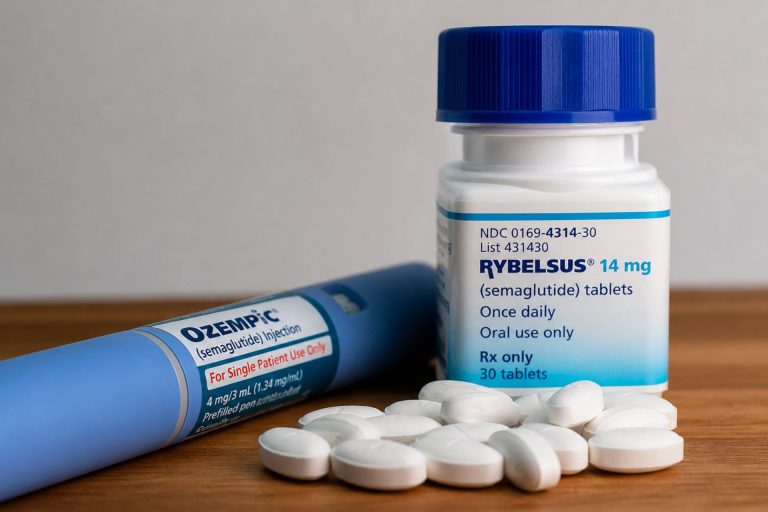
Oral semaglutide stands as the pioneering pill in this rapidly expanding class of medicine. This medication first earned federal approval in 2019 for better blood sugar management. Furthermore, a major update in 2025 recognized its significant benefits for long-term heart health. To be precise, these multiple uses help determine how insurance companies pay for it.
Understanding the Current Access Landscape
Bridging the Gap in Patient Care
Wide variations in regional policies create significant hurdles for many hardworking families. Several areas decided to stop covering weight-related treatments in early 2026. In view of this, thousands of people lost access to their established daily routines. Furthermore, some programs now require very high health risks before granting final approval.
One region recently chose to restore its coverage after a very brief pause. This change of heart followed a strong push from local doctors and advocates. Nevertheless, the initial cutback highlighted the deep financial stress on our public systems. Along with this, other areas are still considering much more restrictive rules.
Budget pressures grew after federal spending changes took effect during the last year. Health administrators must now choose between many different and vital medical needs. To be precise, the gross cost for one prescription hit $1,000 in 2024. Along with this, this financial weight strains systems serving the most vulnerable citizens.
Medicaid Coverage Landscape for GLP-1 Pills
| Coverage Status | Description |
| Steady coverage | Only thirteen jurisdictions provided steady coverage for obesity-related treatments by early 2026 |
| Coverage removed | Several areas decided to stop covering weight-related treatments in early 2026 |
| Coverage restored | One region recently chose to restore its coverage after a very brief pause |
| Restricted access | Some programs now require a very high health risk before granting final approval |
Navigating Approval and Requirements
Administrative hurdles often stand as the first wall for many frustrated patients. These processes require doctors to submit extensive paperwork before the pharmacy can help. Furthermore, patients often have to prove that older methods did not work. In light of this, many people face long and difficult waits for their medicine.
Specific health markers serve as the primary keys to unlocking insurance support. Some programs look for a body mass index over 30 before helping. To be precise, others may offer support at a lower number if other issues exist. Along with this, a history of heart disease can often speed up the process.
Step therapy rules often require patients to try very basic options first. Individuals must show that older, less expensive drugs failed to help them. To be precise, these requirements can delay the start of therapy by months. Furthermore, the complicated rules can sometimes discourage patients from continuing their care.
Common Medicaid Approval Requirements for Oral GLP-1 Pills
| Requirement | Description |
| Administrative review | These processes require doctors to submit extensive paperwork before the pharmacy can help |
| Prior treatment failure | Patients often have to prove that older methods did not work |
| Body mass index threshold | Some programs look for a body mass index of over 30 before helping |
| Conditional eligibility | Others may offer support at a lower number if other issues exist |
| Step therapy | Individuals must show that older, less expensive drugs failed to help them |
The Evolution of Oral Medication
Breakthroughs in Modern Drug Delivery
The oral version of this medication uses a special coating for better absorption. This unique technology allows the medicine to enter the system through the stomach. In view of this, scientists have solved a long-standing puzzle in drug delivery. Nevertheless, the body still requires a higher dose in pill form.
A single 14 mg tablet provides the same benefit as a standard injection. High manufacturing costs reflect the need for more active medical ingredients. To be precise, these production needs keep the retail prices relatively high. Along with this, these pills do not need special refrigerated shipping.
Additional oral options are currently moving through the federal approval process. These new candidates promise even better absorption and much simpler daily schedules. Furthermore, more options in the market may eventually lead to lower prices. To be precise, experts expect a massive shift toward these convenient pill formats soon.
Making the Daily Routine Work
Taking these tablets correctly requires a very specific and disciplined morning routine. Patients must take the pill immediately after waking up with plain water. Furthermore, they must wait thirty minutes before eating or drinking anything else. To be precise, these rules are vital for the medicine to work.
Managing multiple morning medications can be quite a puzzle for some people. Certain thyroid and bone density drugs also require an empty stomach. In light of this, some people might actually find injections more convenient. Along with this, most patients still express a very strong preference for tablets.
Stomach sensitivity is more common with the pill than with the needle. About 20% of people in clinical trials reported feeling some initial nausea. Along with this, some patients stop treatment early due to these side effects. Furthermore, success often depends on starting with the right medical guidance.
Clinical Success and Payment Rules
Support for Heart and Sugar Health
Every public health program currently covers these pills for type 2 diabetes. This includes several different strengths of the oral medication. Furthermore, new findings about heart health have expanded the reasons for coverage. Heart patients may now qualify regardless of their weight.
Recent studies show a 14% drop in major heart-related emergencies. This strong evidence helps doctors justify the treatment for more people. Along with this, protecting kidney health is another reason why programs offer support. Furthermore, patients with multiple conditions often find it easier to get help.
Liver health is another exciting area currently being studied by researchers. Early trials show that these pills can help reduce liver stress. In light of this, future approvals might make it even easier to qualify. To be precise, regional programs often take time to update their official lists.
Filling the Gaps in Weight Care
Treating obesity alone remains a challenge for many insurance plans. Less than 30% of regions consistently support weight-related needs. To be precise, this creates a significant gap in care for many adults. Along with this, children often have much better access to these treatments.
Federal rules require support for all necessary treatments for those under 21. This ensures that younger patients can get the help they need. Furthermore, weight management is officially recognized as a vital health need for kids. In view of this, pediatric support remains steady even when others change.
Sleep apnea was also recently added to the list of approved uses. This gives patients another way to show they need medical support. Along with this, having multiple health issues can make it easier to get approval. To be precise, the mix of different conditions creates many paths to successful treatment.
The Future of Health Budgets
Balancing the Books for Care
Spending on these specific medications has grown ninefold in recent years. Total costs for these programs reached nearly $9 billion annually by 2024. To be precise, this growth puts a lot of stress on public funds. Along with this, the need for metabolic support continues to rise.
Expanding access could help millions of people live much healthier lives. Nevertheless, the initial price tag remains a big hurdle for many areas. Furthermore, these treatments often work best when used over a long time. In light of this, planners expect total spending to keep increasing.
Experts predict a $47.7 billion increase in federal spending over ten years. While the costs are high, the health benefits are also very significant. Along with this, the savings from preventing other diseases take time to show up. To be precise, the real value of the treatment appears over many years.
Reducing the Long-Term Health Burden
Chronic health issues put a massive strain on our medical systems. Heart and liver diseases are very expensive to treat in the long run. To be precise, managing weight early can prevent many of these costly issues. Along with this, we may see fewer emergency room visits over time.
The immediate financial benefits of the medicine are still being debated. Some studies show savings appearing within three to five years of treatment. Furthermore, the real results depend on patients staying with their daily routine. In view of this, keeping people on their path is very important.
New support programs are being designed to help patients stay on track. These efforts focus on the habits that lead to long-term success. Furthermore, doctors are moving toward a more complete approach to health care. To be precise, combining medicine with good habits produces the very best results.
Looking Ahead at Policy and Health
New Rules and Better Access
New proposals in the capital aim to make coverage more consistent. Many leaders agree that weight health is a vital part of medical care. To be precise, the main debate is about who will pay the bill. Along with this, new rules for sharing costs are still being discussed.
Health leaders are looking for ways to expand care without new laws. Changing how existing rules are read could help many more people. Furthermore, these changes can sometimes be challenged in the court system. In view of this, a permanent law would provide more stability.
New reforms will change how companies price their medications in the future. Negotiated prices for the most expensive drugs start in 2027. Furthermore, new rules prevent prices from rising too quickly each year. To be precise, these changes aim to make your health more affordable.
The Next Wave of Innovation
Many companies are working on even better versions of the daily pill. These next-generation drugs promise more power with fewer side effects. To be precise, a once-weekly pill is one of the biggest goals. Along with this, new formulas are showing even better results in trials.
Generic versions of these pills are still several years away. However, more competition in the market will naturally help lower costs. Furthermore, more choices will give patients more control over their care. In light of this, the current budget worries may eventually fade away.
Local programs are keeping a close eye on these new developments. The arrival of easier tablets might lead to more generous coverage rules. Along with this, better safety will make it easier for everyone to stay healthy. To be precise, the most convenient options will likely become the new standard.
Conclusion
Access to oral GLP-1 pills still depends heavily on where you live. New federal steps are making it easier for some to get help. Nevertheless, budget limits still cause some areas to restrict their support. To be precise, the next few years will be vital for patient access.
These tablets are a great choice for those who dislike needles. They provide the same powerful health benefits in a much simpler format. Furthermore, heart and sugar health remains the strongest path to getting coverage. In light of this, keeping good medical records is very important.
The future of metabolic health is changing very quickly for the better. Systems must find a way to offer care while staying financially healthy. Along with this, discoveries will keep making these treatments easier to afford. To be precise, patients and doctors should stay informed about the latest local rules.
References
- Centers for Medicare & Medicaid Services. (2025, December 23). CMS launches voluntary model to expand access to life-changing medicines, promote healthier living. https://www.cms.gov/newsroom/press-releases/cms-launches-voluntary-model-expand-access-life-changing-medicines-promote-healthier-living
- Kaiser Family Foundation. (2026, January). Medicaid coverage of and spending on GLP-1s. https://www.kff.org/medicaid/medicaid-coverage-of-and-spending-on-glp-1s/
- Hwang, J. H., Laiteerapong, N., Huang, E. S., Mozaffarian, D., Fendrick, A. M., & Kim, D. D. (2025). Fiscal impact of expanded Medicare coverage for GLP-1 receptor agonists to treat obesity. JAMA Health Forum, 6(4), e250905. https://doi.org/10.1001/jamahealthforum.2025.0905
- U.S. Food and Drug Administration. (2025, October 20). FDA expands semaglutide label to reduce cardiovascular risk in adults with type 2 diabetes. https://www.ajmc.com/view/fda-expands-semaglutide-label-to-reduce-cardiovascular-risk-in-adults-with-type-2-diabetes