GLP-1 Pills Online Prescription: How It Works
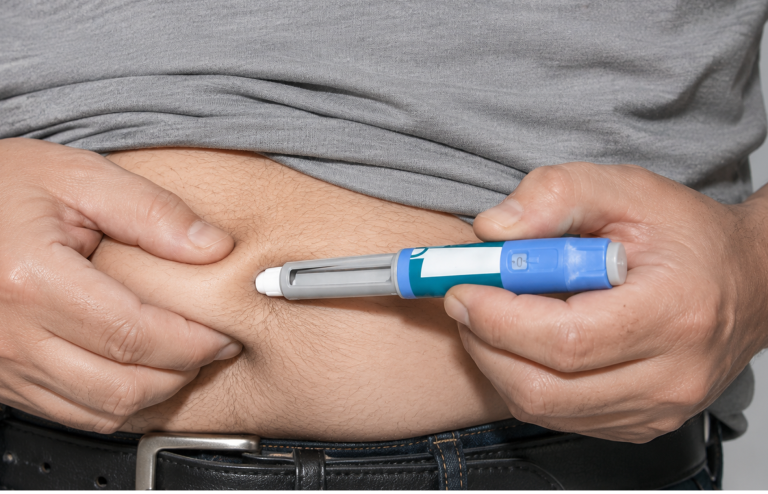
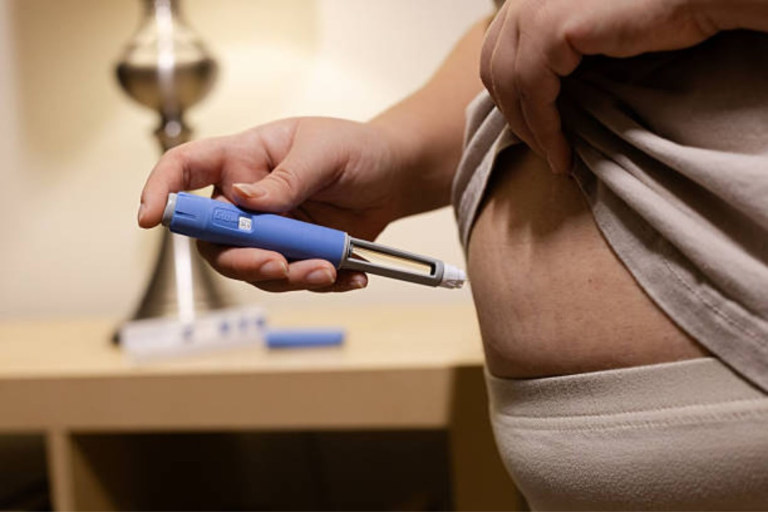
Starting a metabolic health journey marks a major step toward long-term wellness. For years, this path required getting used to the idea of weekly injections. Now, new pill versions have made the process much more approachable for everyone. This change has opened up exciting new ways to get care through telemedicine.
Telemedicine acts as a helpful bridge for people seeking these advanced treatments. Online platforms provide a clear way to get a prescription without any clinic visits. These services aim to balance digital speed with high medical standards. Given this, understanding how these systems work helps you stay safe and informed.
Mechanisms of oral GLP-1 receptor agonist delivery
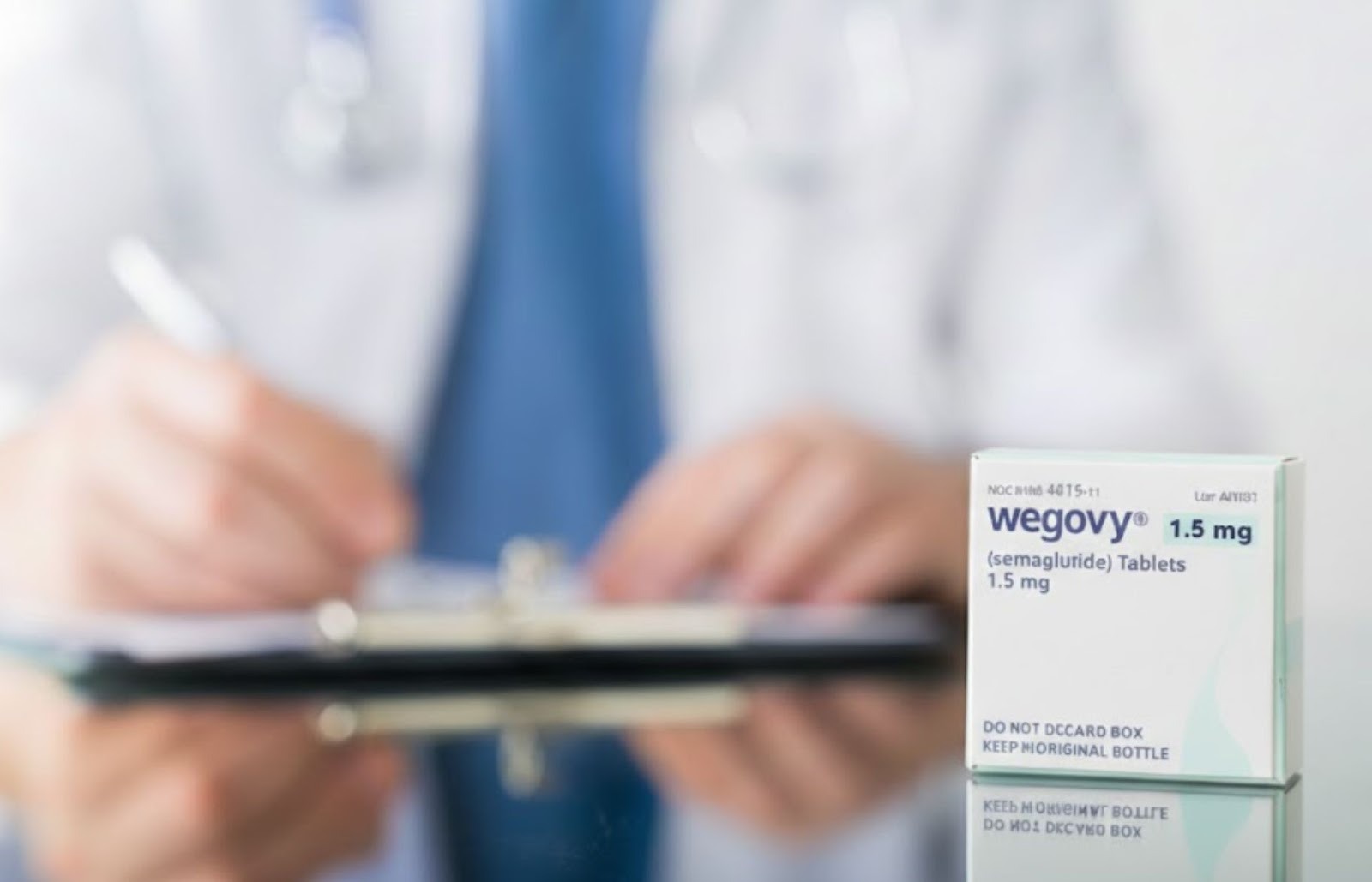
Oral GLP-1 pills use a clever coating to survive the trip through the stomach. These medications usually face a tough battle with digestive enzymes before they work. Scientists added a special helper to pull the drug into the blood. This compound protects the medicine so it can do its job effectively.
The timing of your morning dose is the most critical part of the day. You must take the pill the moment you wake up for the best results. Use only a tiny sip of water to keep the stomach clear. Furthermore, waiting thirty minutes before eating ensures the medicine reaches its full potential.
The pill version actually has a much lower absorption rate than the liquid shot. Doctors prescribe a higher milligram dose to make sure you get enough medicine. This adjustment keeps your plasma levels exactly where they need to be for success. Nevertheless, most people find a simple daily pill far more convenient than needles.
Telemedicine assessment protocols for GLP-1 prescribing
Online platforms use friendly digital surveys to see if you are a good candidate. These forms ask about your health history, current medications, and any known allergies. Licensed healthcare providers review every answer to make sure the treatment is a fit. Along with this, they follow strict rules to verify your identity and location.
Safety screenings look closely for rare risks like specific types of thyroid cancer. Providers also check for family histories of endocrine issues that might block use. These protocols protect you from starting a medication that might not be a match. Consequently, the digital checkup is just as careful as an in-person visit.
Weight and blood sugar levels are the main tools used to decide on care. A body mass index of 30 or higher is a common starting point. Those with a slightly lower index may qualify if they have other health issues. Therefore, you may need to share recent lab results to confirm your numbers.
Regulatory framework governing remote GLP-1 prescribing
Federal laws provide a strong base for how online medical services must function. While GLP-1 drugs are not controlled substances, they still need a valid prescription. Each state has its own specific rules regarding how these digital visits operate. Some areas may require a brief video chat to connect with your new doctor. The Food and Drug Administration oversees these drugs to ensure their safety.
Oral semaglutide received approval for treating type 2 diabetes in 2019. The agency later broadened its use to include chronic weight management in 2022. Following this, online prescribers must strictly adhere to these official medical guidelines. Legitimate services always confirm that their doctors are licensed in your state. They must follow a complex set of local and federal health regulations. This level of oversight protects you from websites that sell unsafe or counterfeit products. Therefore, using verified platforms is the best way to receive quality care.
Clinical monitoring requirements in virtual care models
Successful treatment requires more than just a prescription and a bottle of pills. Online platforms set up regular check-ins to see how your body is doing. These follow-up visits help your doctor track your progress and manage side effects. Thus, you are never truly alone while navigating this new health path.
Stomach issues like nausea or bloating are common when you first start. Doctors use a slow schedule to help your system get used to medicine. This means your dose will likely start low and grow every few weeks. Accordingly, frequent communication helps the provider know when you are ready to move up.
Periodic blood work is still a necessary part of any virtual care plan. Your doctor will likely want to check your kidney function and sugar levels. These tests provide the data needed to make sure everything is on track. Meanwhile, you can usually visit a local lab to get these tests finished.
Prescription fulfillment and medication distribution channels
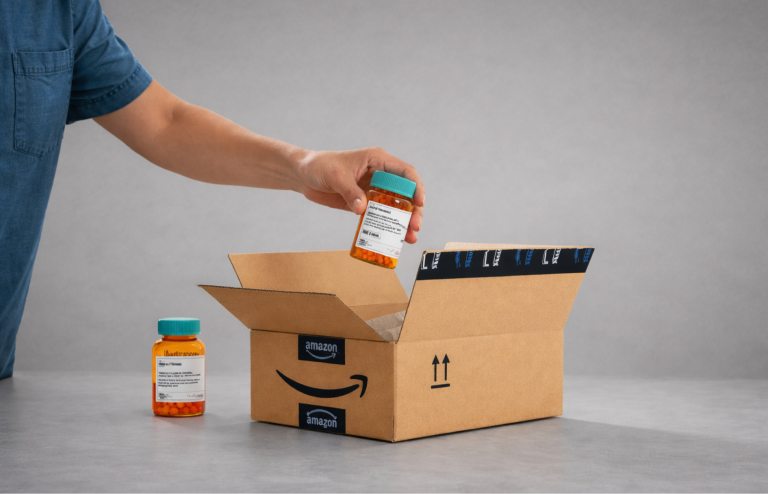
Once a doctor approves your request, the platform takes care of all the pharmacy details. Most services use specialized mail-order pharmacies to ship pills to your front door. These packages often have temperature controls to keep the medication stable and fresh. In addition, these pharmacies must be fully licensed to ship to your specific location.
Insurance coverage is often the biggest challenge for patients trying to get started. Many plans require a special form called prior authorization before they pay. This process shows the insurer that the medication is necessary. Without insurance, the out-of-pocket cost for these brand-name pills remains quite high.
Many online services help patients find ways to make the treatment more affordable. They can guide you toward manufacturer savings cards or other financial assistance programs. These tools can often lower the price significantly for those who qualify. As a result, navigating these options is a major part of the online health experience.
Safety considerations in decentralized prescribing environments
Remote care offers great convenience, but it has some unique safety needs. A doctor cannot perform a physical exam through a screen to check vitals. This makes it important for you to report any unusual symptoms right away. Therefore, patient education serves as the most important safety net in any digital model.
Checking for drug interactions is a top priority for every clinical review team. GLP-1 pills change how fast your stomach empties, which impacts other oral medications. This is especially important for drugs that need to work quickly. Because of this, providing a complete list of your supplements is essential.
The risk of low blood sugar is a serious concern for patients. If you take insulin or certain other pills, your doctor may adjust them. This careful balancing act helps prevent dangerous sugar drops while you are on the pill. Thus, staying in close contact with your provider keeps the entire process safe.
Evidence base supporting telemedicine-delivered weight management
New studies show that virtual programs can be just as effective as clinics. Patients using remote tools often see the same weight loss results as visits. These programs work best when they combine the medication with lifestyle and diet support. Building on this, the ease of digital access helps people stay consistent.
Modern health apps help you track your meals and activity levels in real-time. This data gives your medical team a clear picture of your daily habits. Some platforms even provide smart scales that send your weight directly to your doctor. Indeed, this constant stream of info allows for much more personalized medical care.
Digital tools also help catch any potential problems much earlier than yearly visits. If your data shows a sudden change, your doctor can reach out fast. This proactive approach keeps you safe while helping you reach your goals more quickly. Accordingly, technology has made remote metabolic management a very reliable path today.
Conclusion
The mix of oral GLP-1 pills and telemedicine has opened new doors for health. You can now get high-level metabolic care without ever leaving your home. These services use smart screening and constant monitoring to keep you safe and healthy. As a result, managing weight and diabetes has become more accessible than ever.
As technology continues to improve, these virtual care models will only get better. We will likely see even more tools that help doctors and patients stay connected. This evolution is making the future of metabolic medicine look much more personal.
References
Aroda, V. R., Rosenstock, J., Terauchi, Y., Altuntas, Y., Lalic, N. M., Morales Villegas, E. C., Jeppesen, O. K., Christiansen, E., Hertz, C. L., & Haluzik, M. (2019). PIONEER 1: Randomized clinical trial of the efficacy and safety of oral semaglutide monotherapy in comparison with placebo in patients with type 2 diabetes. Diabetes Care, 42(9), 1724-1732. https://doi.org/10.2337/dc19-0749
Rubino, D., Abrahamsson, N., Davies, M., Hesse, D., Greenway, F. L., Jensen, C., Lingvay, I., Mosenzon, O., Rosenstock, J., Rubio, M. A., Rudofsky, G., Tadayon, S., Wadden, T. A., & Dicker, D. (2021). Effect of continued weekly subcutaneous semaglutide vs placebo on weight loss maintenance in adults with overweight or obesity. JAMA, 325(14), 1414-1425. https://doi.org/10.1001/jama.2021.3224
Wharton, S., Batterham, R. L., Bhatta, M., Buscemi, S., Christensen, L. N., Frias, J. P., Jódar, E., Kandler, K., Rigas, G., Wadden, T. A., & Wulff, A. B. (2023). Two-year effect of semaglutide in adults with overweight or obesity: The STEP 5 trial. Nature Medicine, 29(10), 2049-2057. https://doi.org/10.1038/s41591-023-02532-4